

Despite my best efforts to publish FLTR Paper every week, I’ve missed a week or two. But I had good reason to.
I flew to Istanbul to host the first Home Barista Show in Europe at Espressolab’s roastery in Merter.
The Home Barista Show is an event I created where home brewers gather to play with equipment, ask the questions no-one at a coffee shop has time to answer, and meet fellow coffee obsessives. It was the fifth Home Barista Show so far, after Dubai, Sharjah, Cape Town and Johannesburg.
And like the others, the Istanbul event sold out.
The show went as well as I could’ve hoped. As usual, I loved seeing a group of people who mostly brew alone at home learning together in the same room.
And what a room it was. A small part of Espressolab’s 6,000 square meter campus.
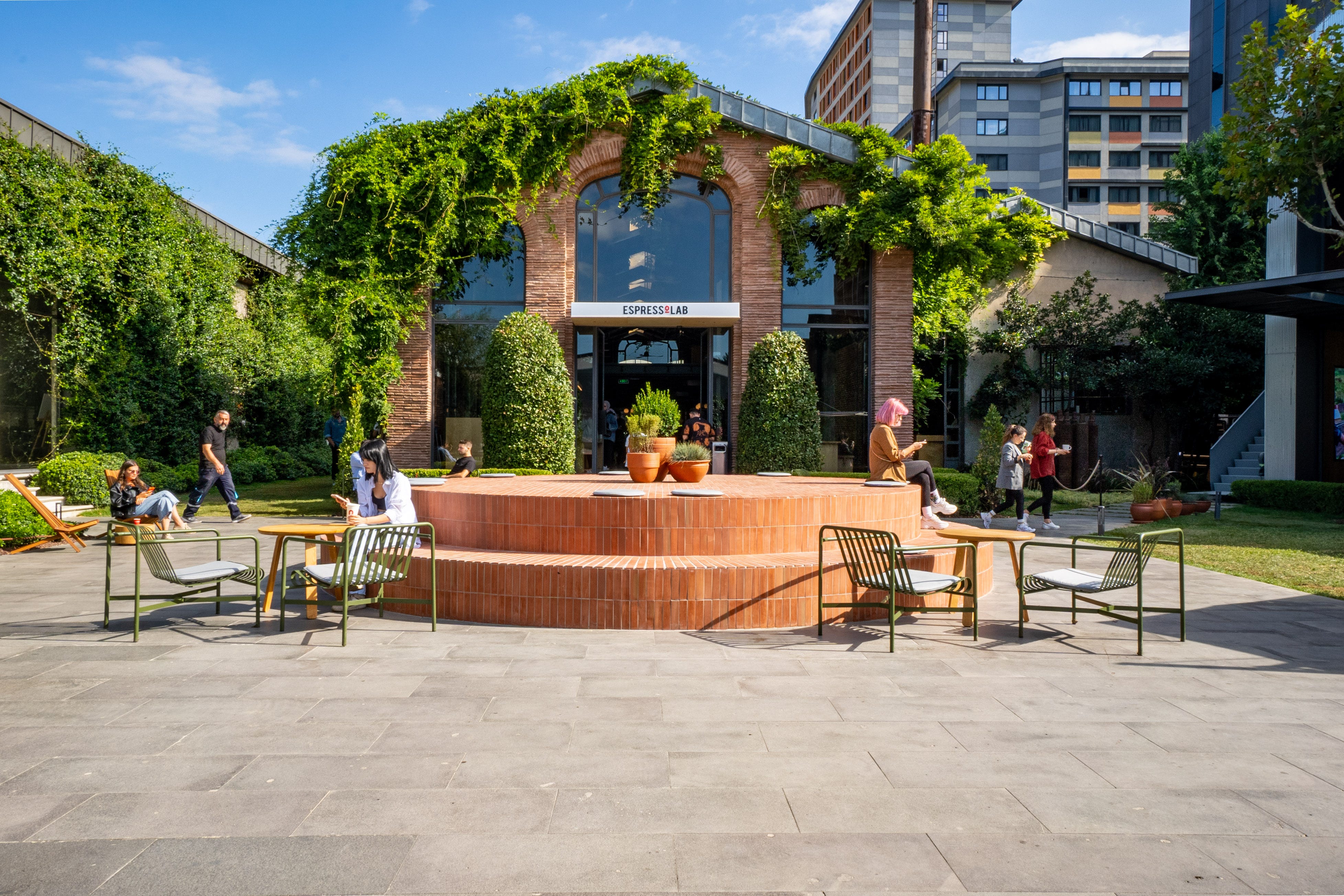
The scale is difficult to explain
When I approached Renato Correia, Espressolab’s Global Coffee Director, to host the Home Barista Show at his coffee shop in Cape Town, he suggested I take the show to the roastery in Istanbul instead.
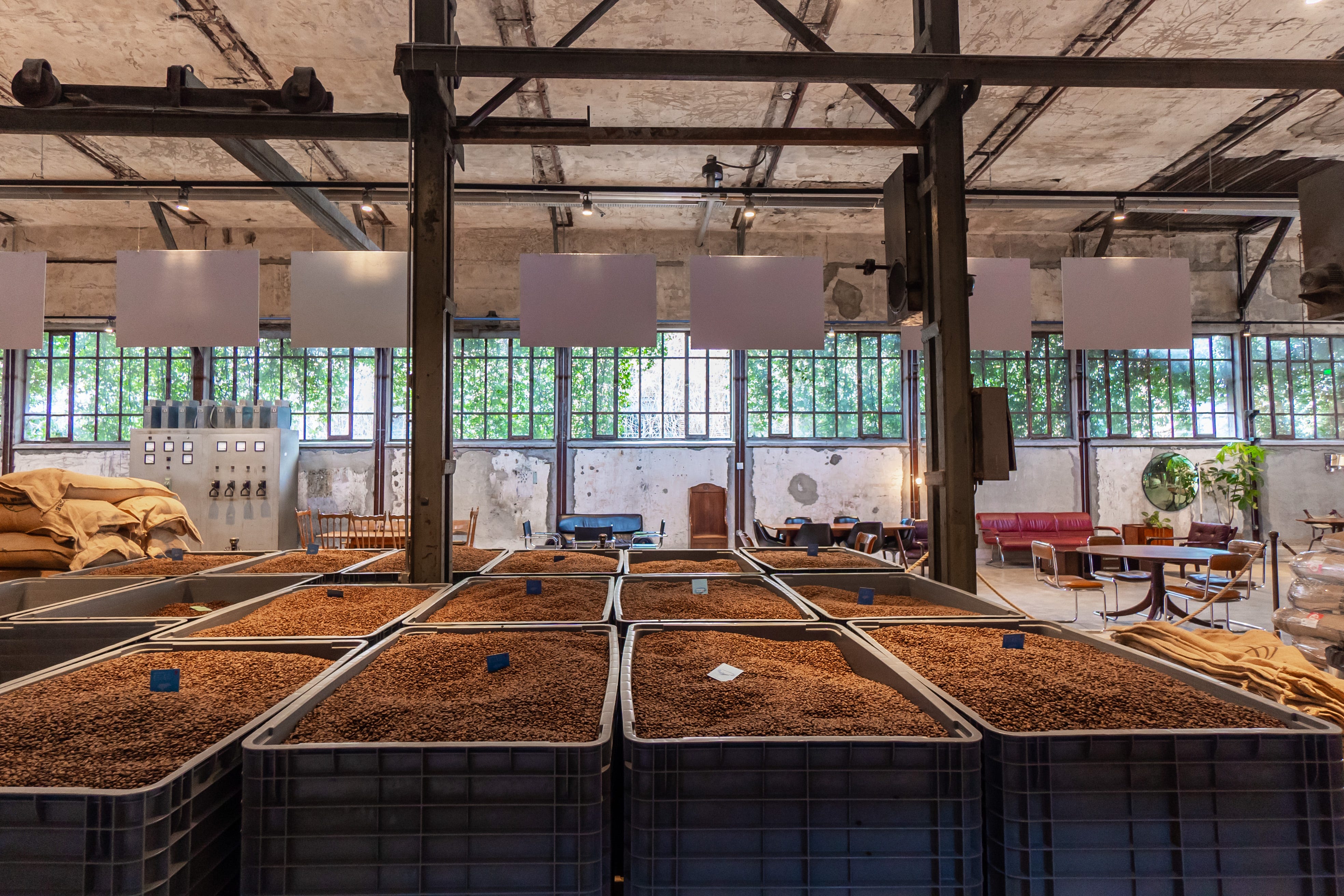
Espressolab converted Turkey’s first cardboard factory into an entire coffee campus. Its head office is there. So are the production and packaging operations, three coffee shops, a bakery, an outdoor stage, an auditorium and the experience centre where we held the Home Barista Show.
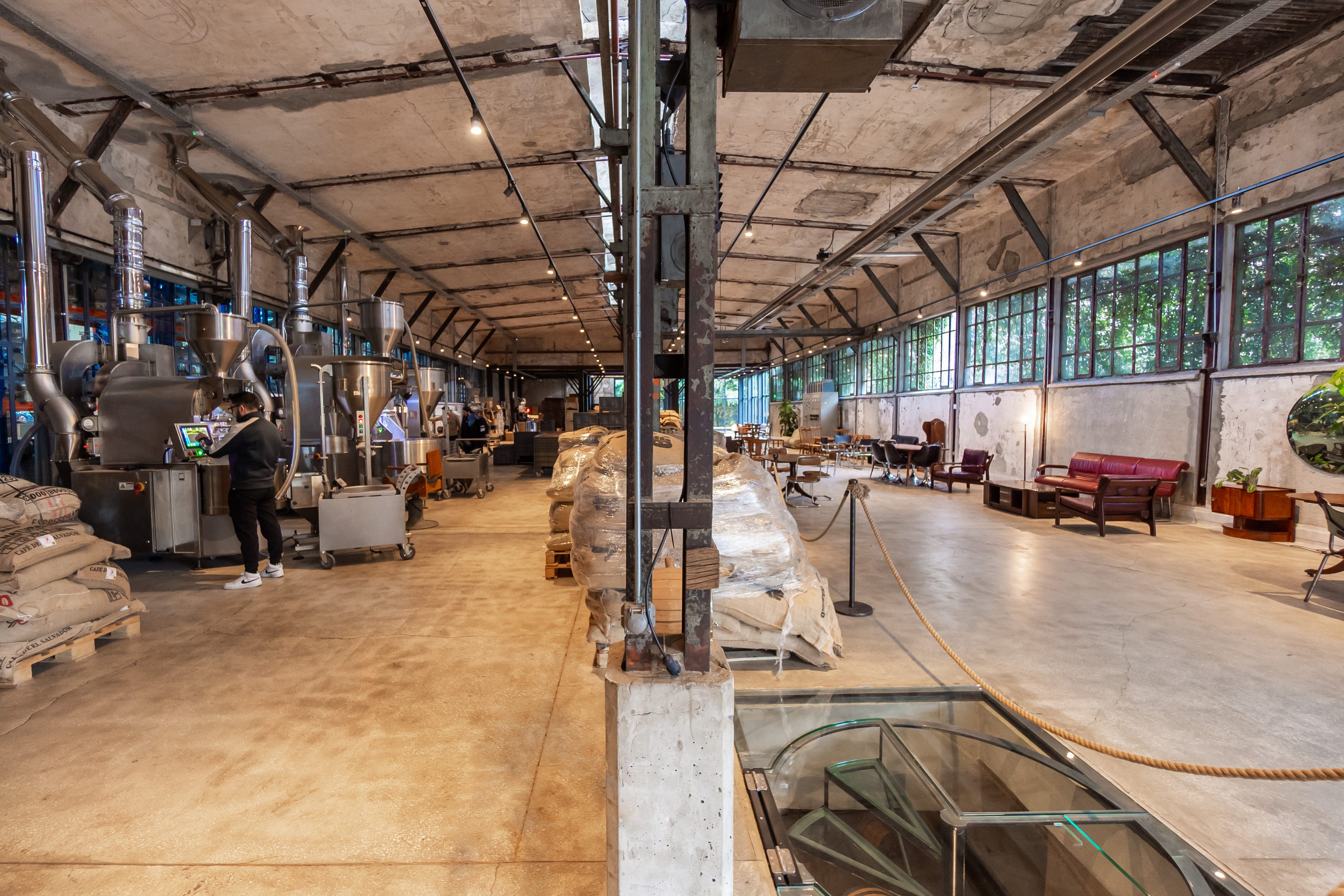
Just in case I’m still not doing good job of explaining the scale, let me pause here and talk about the roasting operation. Espressolab currently has two Loring S70 Peregrines, the largest roaster Loring makes. Each one can roast up to 70 kilograms in a batch. Beside them is a S35 Kestrel, which can roast up to 35 kilograms. A third S70 is on the way and will replace the S35.
Together, the current machines have a maximum batch capacity of 175 kilograms. Once the new S70 arrives, that’ll rise to 210 kilograms.
Most of the coffee for its international network of more than 400 coffee shops in more than 20 countries is roasted in Merter.
There’s something about the word “gobsmacked” that makes me feel uncomfortable. Like the word “moist”. But that’s what I was as the team took me on a tour of the facility.
Gobsmacked.
The word community gets used a lot
Coffee companies love talking about community. I do too.
The word appears in brand presentations, Instagram captions and almost every description of a new café.
Espressolab is the first I’ve seen in a while actually doing the work to build one.
The roastery runs coffee workshops, which you’d expect. But it also hosts ceramics classes, candle making, canvas painting, yoga, Pilates and theatre. Artists perform on the outdoor stage every Sunday. The venue has held concerts, film screenings and a latte art championship.
The range of activities is what interested me.
People have many reasons to visit the roastery. Coffee is one of them, but it’s not the only one.
Someone may arrive for a ceramics class and discover the coffee. Another might come for Pilates, then return with a friend. A family watching a performance may decide to stay for something to eat.
Each visit gives Espressolab another chance to become familiar. That’s how a place begins to mean something to people.
Of course, Espressolab has money behind it
The campus reportedly cost €5 million.
Independent cafés don’t have anything close to that budget. They also don’t have an auditorium, an outdoor stage or 6,000 square metres.
But the useful part of the idea doesn’t depend on any of those things. When you strip away the scale, the model is simple:
Give people a reason to gather.
Let them do something while they’re there.
And make the experience worth coming back for.
You can do that with one table.
Look at the space you already have and the hours when people rarely use it. Maybe it’s a Tuesday evening. Perhaps it’s the period after lunch. It could be the hour before the shop usually gets busy on a Sunday.
What could happen there?
Ten people could join a tasting. A local photographer could teach a small class. A book club could meet once a month. Someone who already visits your café could share a skill with a few other customers.
The room doesn’t need to be full. It needs to feel useful.
Let people take part
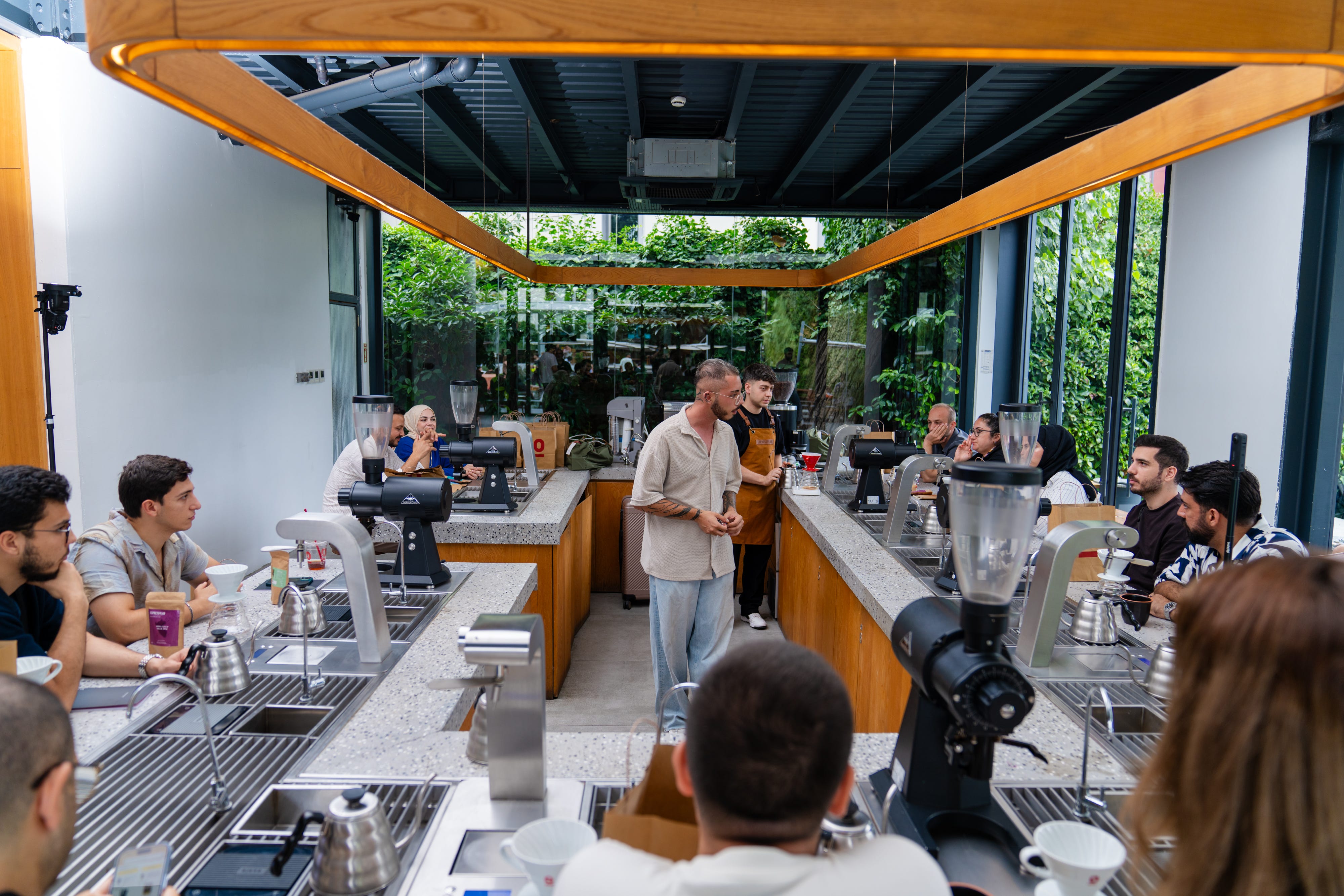
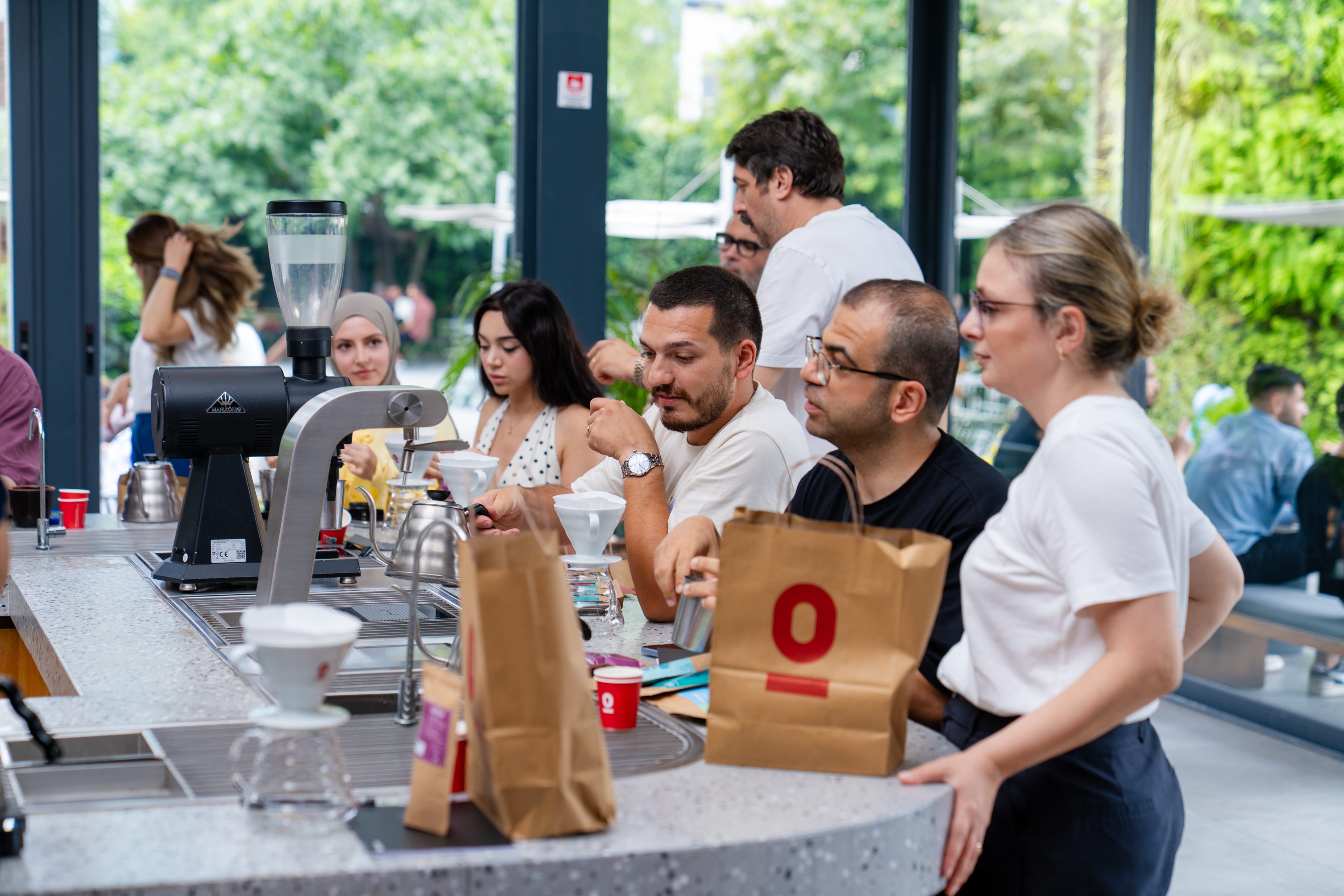
Like all Home Barista Shows I’ve hosted so far, the room in Istanbul only really came alive when everyone started brewing. Before that, people had listened and watched. Once the kettles came out, they began comparing recipes, looking at each other’s technique and tasting the results.
It’s the activity that sparked the conversation.
Nobody needed to walk up to a stranger and introduce themselves for the sake of networking. They could simply ask what coffee the other person had chosen, how fine they had ground it or why their brew tasted different.
People connect more naturally when they have something to do together.
So when you plan an event, think about the role you’re giving the people in the room. Can they make something? Taste something? Learn something? Compare something?
By the way, there’s another fringe benefit to getting people talking. It takes some of the pressure away from the person hosting. You don’t need to fill every minute with a presentation.
Give people the right activity and they’ll begin creating the experience themselves.
You don’t need to teach everything
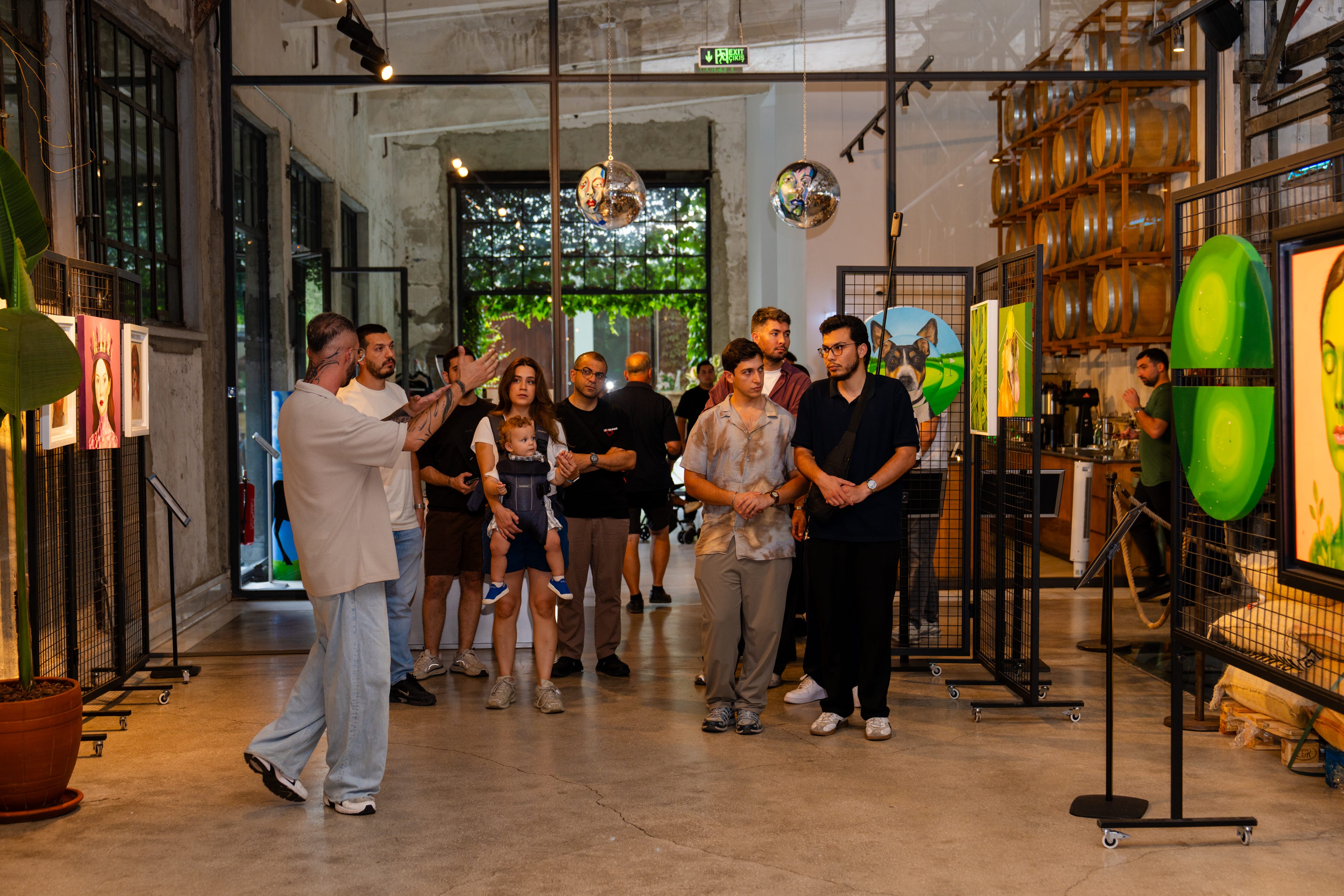
Espressolab can run a ceramics workshop because a ceramics teacher brings the knowledge. The same goes for painting, yoga and theatre. The roastery provides the space, the hospitality and the coffee.
Someone else brings the subject.
You can do the same thing.
You may already know a photographer, baker, artist, trainer or musician looking for somewhere to bring people together. One of your regulars may have a skill they’d love to share.
They bring their knowledge. You provide a place where their people can meet.
Both sides have a reason to talk about the event. The café meets a new group without buying advertising. The person hosting gets access to a welcoming space and customers they may never have reached alone.
Start with people you already know. You may be surprised by how much knowledge is sitting at your tables every week.
Go beyond coffee
Coffee events make sense for a coffee business. Cuppings, brewing classes and latte art sessions use the equipment and knowledge you already have. And they give customers a better understanding of what you do.
Keep doing those.
But remember that most of your customers don’t spend their free time thinking about extraction. They have other interests.
Espressolab’s programme reaches beyond the small group who identify as coffee enthusiasts. A person can join a yoga session or watch a play without knowing anything about processing methods or brew ratios.
They still experience the building, meet the staff, order something and decide whether they’d like to come back.
A broader programme gives more people a way into the business.
Make it a regular feature on the calendar
One successful event can give you a full room and some good photographs to put on Instagram. Repetition gives people a habit.
Many of Espressolab’s workshops happen every month. Artists perform on the Roastery Stage each Sunday. If someone misses a date, another one is coming.
That also gives the team time to improve. The first event may start too early. You might offer too many tickets. The format may need more time for conversation. By the third one, you’ll understand what people enjoy and what gets in their way.
Choose something you can run three times before deciding whether it works.
Keep the first group manageable. Notice who returns. Watch who brings a friend. Pay attention to the people who stay after the official part has finished.
That’s where you’ll learn whether something real is beginning to form.
Ask people what they want
If you’ve been wondering how to build more community around your café, start with one unused period in the week. Choose a group you’d genuinely like to welcome. Find one person who can give them an enjoyable or useful hour. Keep the first gathering simple enough to repeat.
Then ask the people who came what they’d like to do next.
That last part is important.
Operators sometimes decide what their community should want before speaking to anyone in it. You can end up producing an event that looks good but doesn’t inspire people to come back.
When I developed the first Home Barista Show, the launch event in Dubai, I thought it was a good idea to have every national coffee champion in the room to teach home brewers the recipes that won them their titles. I thought it was a good idea because that was something that was interesting to me. It’s something the home brewer in me would have wanted.
No one cared.
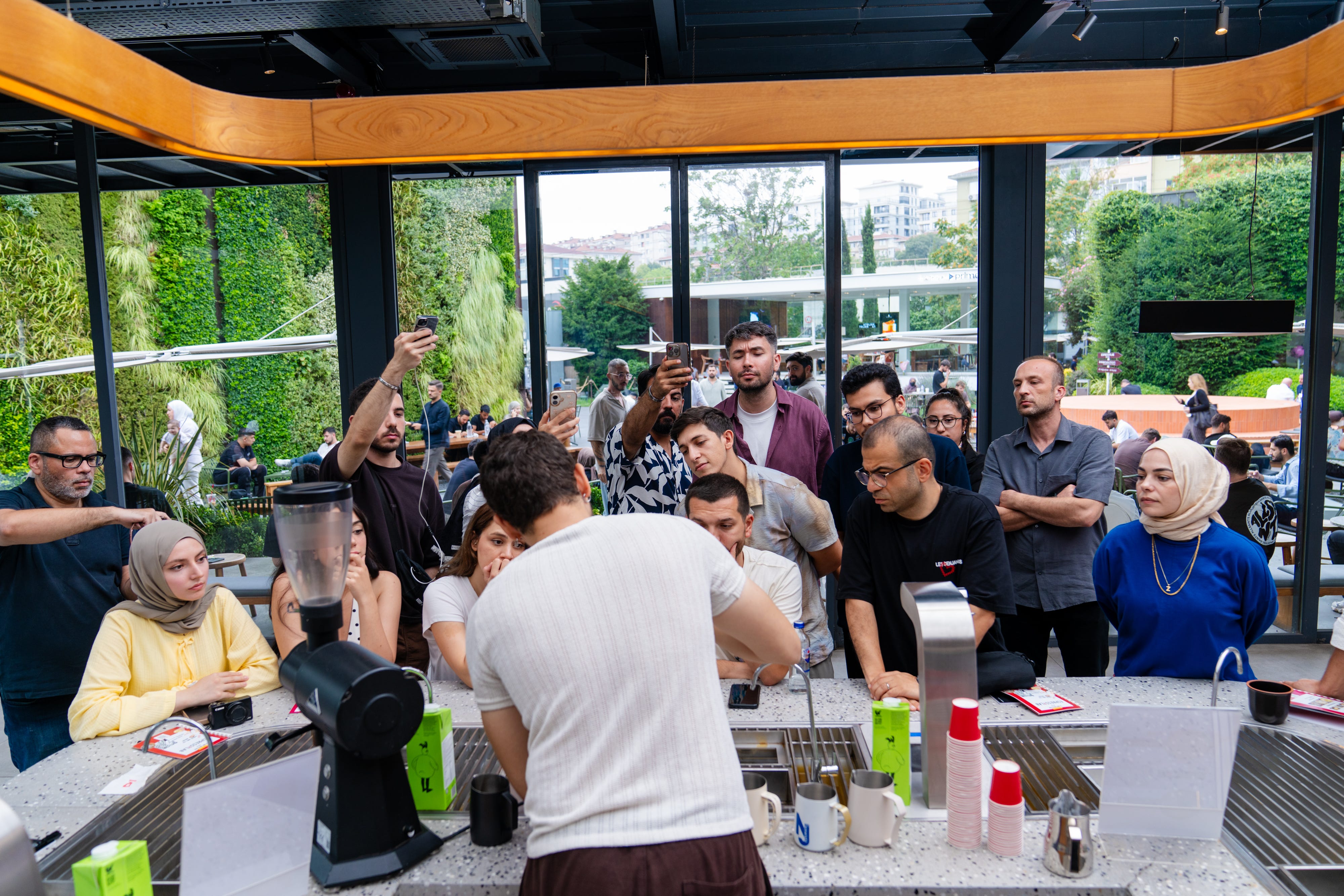
In fact, the only negative feedback I received about that first event is that home brewers wanted more time making coffee themselves, with knowledgeable people coaching them through the process. What they didn't want it is to sit and listen to a champion pontificate about the minute details they think won them the competition.
Ask people what they want.
Then give them that.