

Christopher Flechtner is not visible in the way some people in specialty coffee like to be. But I guarantee you’ve seen his work.
He’s the industrial designer behind Slayer Espresso.
Before Slayer, many machines felt engineered first and experienced second. Functional, yes. But also cold. And intimidating. Equipment people tolerated than something baristas genuinely enjoyed standing behind all day.
Chris studied metalsmithing and jewellery design, later completed his graduate studies in furniture design, and spent years building handmade bicycles. He made his living thinking about materials, ergonomics, and the relationship people have with the objects they use every day.
He didn’t come from coffee.
So when Slayer approached him, he looked at espresso machines very differently. He wondered why they felt so cold. Why machines at the centre of hospitality somehow felt mechanical to use. Why standing behind one felt transactional instead of enjoyable.
The result was Slayer. A machine that felt warmer, more tactile, and more human without losing technical credibility.
Years later, he opened Sunny George. A coffee shop in Kyoto. I was interested to understand why. So I interviewed him for FLTR Magazine.
A few things he said stuck with me.
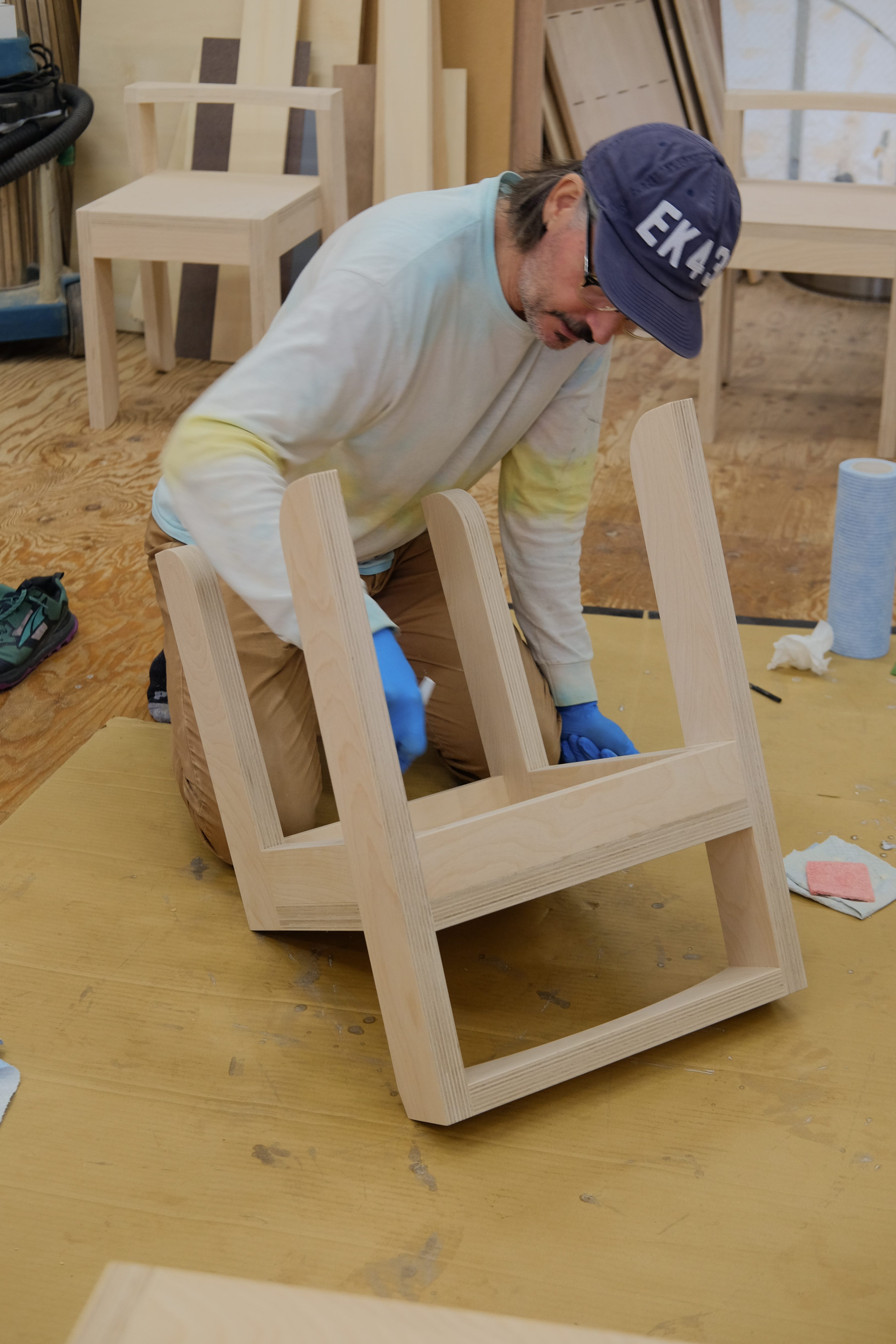
Question the norm
Chris looked at espresso machines and thought they felt cold, industrial, and unpleasant to use. Most accepted that as normal.
He did not.
Familiarity blinds us. Spend enough time inside a business, any business, and eventually you stop noticing what does not work. A menu only regulars understand. An awkward ordering process. The workflow staff complain about so often that everyone eventually stops mentioning it.
Nobody creates those problems deliberately. People simply adapt to them.
Design for the behaviour you want
Sunny George has no WiFi. Seating is communal. People are nudged toward conversation rather than disappearing into laptops.
You may love that idea. You may find it horrifying. That is beside the point. Chris clearly thought about how he wanted people to behave once they entered the café, then designed around it.
I think most cafés accidentally encourage the opposite of what they claim to value. You talk about community, but your space pushes people into isolation. You want customers to stay longer, but the seating isn’t comfortable. You say hospitality matters, but ordering feels transactional.
The useful question is this: what does your business actually encourage once people walk through the door? Not what you hope happens. What actually happens.
Atmosphere shapes experience more than coffee does
If you’re deep into this hobby, you probably judge cafés based on coffee quality. You notice grinders, roast profiles, water chemistry, recipes, and extraction yields.
Regular customers, i.e. most of the people who walk through the door, experience cafés differently.
They notice whether the place feels welcoming. Whether staff seem happy to be there (this one really bugs me). Whether the music feels irritating. Whether ordering feels awkward. Whether they feel comfortable enough to stay or subtly pushed to leave.
Most people are not mentally scoring your espresso recipe. They are asking themselves something much simpler: do I want to come back here?
Chris spoke about how experience begins before the first sip. The machine matters. The movement behind the bar matters. The confidence of staff matters. By the time coffee reaches the table, people have already formed an opinion.
That doesn’t mean coffee quality is unimportant. Of course it is. The point is that customers experience the coffee and the café as one thing. If ordering feels awkward, staff seem stressed, or the space feels uncomfortable, people remember the experience before they remember the coffee.
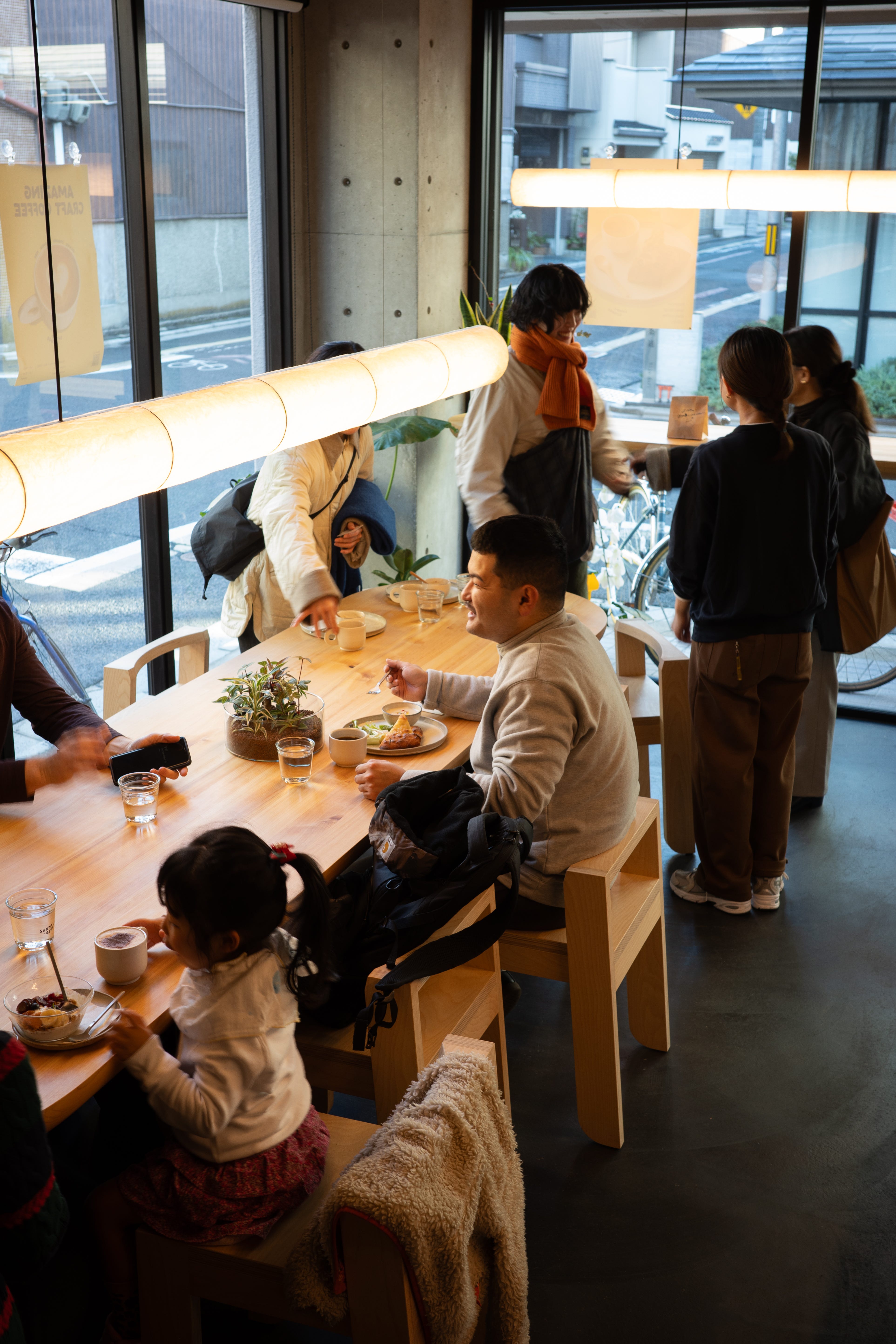
Simple experiences outperform complicated ones
Chris wanted Slayer to feel approachable. Premium, yes, but approachable.
Specialty coffee still struggles with this idea. We mistake complexity for expertise. So, menus become intimidating, ordering feels uncomfortable and customers worry about saying the wrong thing.
Customers are not trying to earn a diploma in coffee. They want something that tastes good and a place that feels welcoming enough to return to.
Confusing experiences rarely feel premium. And simplicity feels thoughtful.
Small frustrations become big problems
Chris spoke a lot about repetition. The feeling of using something again and again. Tiny frustrations stop feeling tiny when somebody repeats them hundreds of times a day.
I kept thinking about café workflows. The grinder that forces a barista to take unnecessary steps every shift. The prep station nobody enjoys using. The equipment placement that looked logical on paper but is frustrating in reality.
The fact that people stop complaining is not a sign things are fine. It only means they don’t expect change.
Build around what you believe
Neither Slayer nor Sunny George feels designed to appeal to everyone. I suspect that’s why people remember them.
Chris seems comfortable disappointing some people if it means staying consistent. Sunny George doesn’t sell matcha.
In Kyoto.
He explained that choice was simple. Because everyone already sells it, and more importantly, it didn’t fit what he wanted Sunny George to be.
Customers don’t need to agree with every decision you make. But they should understand what kind of business you’re trying to build.
The cafés people remember are built differently
The longer I sat with my conversation with Chris, the more I found myself wondering how many coffee businesses are built around habit rather than design. Habit in menus. Habit in workflow. Habit in assumptions about what customers supposedly want.
Most café owners spend enormous energy trying to improve coffee quality. But the cafés people remember are built differently. Somebody noticed something everybody else stopped seeing.
Then decided to change it.